
Do not begin with the city alone
A city can shape your experience, but the programme determines your academic path. Compare the programme first, then evaluate whether the city supports the life you want.
Bachelor checklist
- Type of programme, duration and ECTS, language of instruction
- Required secondary qualification, subjects, and selection formula if places are limited
- Aptitude or ability test
- Separate number of places for non-EU or Western Balkan applicants
- Tuition category, practical training, and continuation to master study
- Exact study location
Master checklist
- Eligible bachelor fields and minimum ECTS of the prior degree
- Additional obligations for applicants from another field
- Selection based on average grade, interview, exam, portfolio, or work
- Language requirements and full-time or part-time form
- Tuition, whether the programme runs every year, and the exact teaching location
University overview
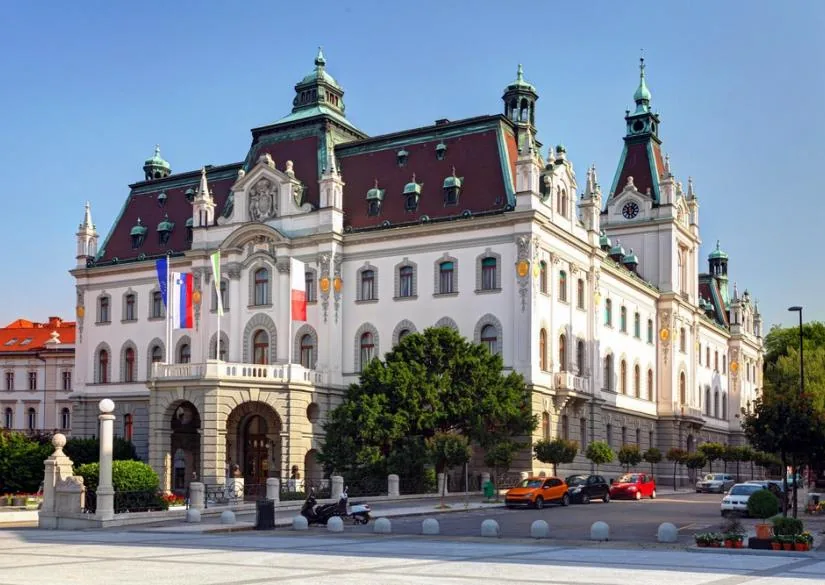
University of Ljubljana has the largest choice and city, with housing pressure as the main challenge and a central non-EU bachelor procedure. University of Maribor is a large public university integrated into the city, with dormitory market prices for foreign students. University of Primorska is based in Koper and the coast, with separate Western Balkan places and early housing demand. University of Nova Gorica is smaller with several study locations and multiple rounds while places remain.
Slovenia also has independent and private higher-education institutions. Check accreditation, public concession, tuition, programme location, recognition of the resulting qualification, and whether standard bilateral tuition treatment applies.
Use information days well
Information days (informativni dnevi) are normally held in mid-February, usually on a Friday morning and afternoon and again on Saturday morning, which lets you visit around three faculties across the two days. The exact date changes each year, so check it. Visit at least two or three programmes so you have something to compare, and go even if you are fairly sure, because the atmosphere and the current students tell you things the website does not.
Before the visit, read the programme structure and ECTS, check attendance rules, and look for placements and exchanges. During the visit, speak with current students, tutors, the referat, and programme representatives, and ask concrete questions:
- What are the conditions to progress to the next year, and to repeat a year?
- Is absolvent status possible, and how do transfers between programmes work?
- How heavy is the workload and how much attendance is mandatory, so I know how much time is left for student work?
- What is the enrolment fee per year and the cost of materials?
- What are the placements, exchange options, tutoring, and job prospects after the degree?
Which programmes require an aptitude test
Some programmes require an aptitude or ability test (preizkus nadarjenosti) in addition to your recognised secondary qualification, and the score you get is often decisive for admission. These are mostly art, design, architecture, sport, and some education and health programmes. At the University of Ljubljana they include the Academy of Music, AGRFT (theatre, radio, film, television), the Academy of Fine Arts and Design, Landscape Architecture, the Faculty of Architecture, the Faculty of Sport, Textile and Clothing Design, Fine-Arts Pedagogy, Logopedics and Surdopedagogy, and Laboratory Dental Prosthetics. At the University of Maribor they include Architecture and the Music, Fine-Arts, and Sports-Training pedagogy programmes. Tests are generally held in late June and the first half of July, though the Music Academy test has historically been in late May. If your programme needs one, plan your travel and residence timing around the test date.
Language is an admission condition
Some programmes require proof of Slovenian at B2 or another specified level. Others are taught in English but still use Slovenian for administration, placements, or local professional practice. Before applying, confirm the formal language requirement, the language of compulsory courses and placements, which certificates are accepted, and the deadline for providing the certificate.
Sources and further information
- Study in Slovenia
- University of Ljubljana bachelor and integrated master admissions
- University of Maribor future-student portal
- University of Primorska welcome portal
- University of Nova Gorica admissions
Last checked: 30 July 2026
Thanks, we received your note.